


What UK Art Directors Look for in a Photography Portfolio

Portfolios are usually sent hoping for a slow, appreciative read. That is not how they arrive. An art director opens your site or PDF with a brief already forming in their head — a skincare launch, a Sunday supplement portrait, a campaign that needs a dozen crops from one shoot — and starts scanning for the answer. The portfolios that get shortlisted share a handful of qualities, and almost none of them depend on owning the newest camera.
Editing Is the First Skill They Judge
A generous portfolio is not a generous impression; it is a slower one. Twenty-five to forty images is usually plenty for a first look, with each series kept to a tight group rather than a full archive. The urge to include everything comes from fear — what if the one they like is the one I cut? — but art directors read omission as confidence. If two frames tell the same story, keep the stronger one. If a picture only works because of the story behind it, it is not working.
Try this: lay every candidate out as thumbnails, on a wall or a screen. The ones that hold your eye at that size are usually the keepers. Then cut another ten per cent. Almost every portfolio is stronger afterwards, and it is almost never too short.
A Voice They Can Describe in One Sentence
An art director often has to sell you to somebody else. If they cannot sum up your work in a sentence — “quiet natural-light portraits with a documentary feel” — they will struggle to argue for you in a meeting. Coherence matters more than sheer range.
That does not mean shooting only one thing. Photographers who work across food and location portraiture, or still life and reportage, can show both, as clearly separated bodies of work with their own titles and opening images. What weakens a portfolio is drift: a set that moves between styles, colour treatments and levels of finish for no apparent reason. Twelve portraits that share the same considered light read as a voice. Thirty photographs that look like three different photographers read as a hobby.
Craft That Holds Up at Full Bleed
Nobody commissions a portfolio; they commission the person who made it, on the assumption that they can do it again next month, to a deadline, with a client watching. So art directors look for evidence of control: skin tones that stay believable across a series, highlights with detail rather than blown patches, colour that holds from frame to frame when the pictures will sit on the same page.
- Consistent contrast and colour across a series, not just within a single frame
- Retouching that leaves texture in skin, fabric and stone
- Images that survive an awkward crop — a square, a tall 4:5, a wide banner
- A second look on a phone, where much of the audience will actually see them
A slightly imperfect frame with a real moment will usually beat a technically flawless frame with nothing happening in it. Sloppy finishing, though, quietly raises the question of whether you can deliver when it is a paid job.
Sequencing, Titles and the Shape of the Portfolio
Order is an argument. Open with something you would be happy to be known for, then vary scale, subject and pace — wide, detail, portrait, detail — so the eye keeps moving. Close each series with a frame that resolves rather than trails off.
Give each set a title and one line of context: what it was for, who it was for, and anything a viewer could not guess from the picture. Keep it factual. “Commissioned by a food producer, shot over two mornings” tells an art director more than three sentences of poetry. Named credits do the same job, and they are part of the work rather than vanity.
The Practical Details That Sink Good Work
Most shortlisting happens quickly, on a laptop between meetings or a phone on a train. Anything that slows it down costs you.
- Contact details on the first screen. Not in a footer, not behind a form.
- Where you are and how far you travel. “Based in Bristol, working across the UK” answers a question before it is asked.
- Plain words about what you shoot. “Portraits, food and interiors for editorial and brands” beats a list of adjectives.
- A PDF that behaves. Keep it under about 10MB, name the file clearly, and check it opens on a phone.
- Pages that load. A site that stalls on mobile will be closed.
- Licensing and usage. If a brief asks for exclusivity, a long usage period or a broad buy-out, read it carefully and take professional advice before signing anything.
What They Are Really Trying to Work Out
Underneath the pictures, the question is simple: what would this person be like on set? Art directors are hiring a collaborator who turns up, takes direction, adapts when the light changes, stays civil with a nervous client and sends the files when they said they would.
Your portfolio can signal all of that
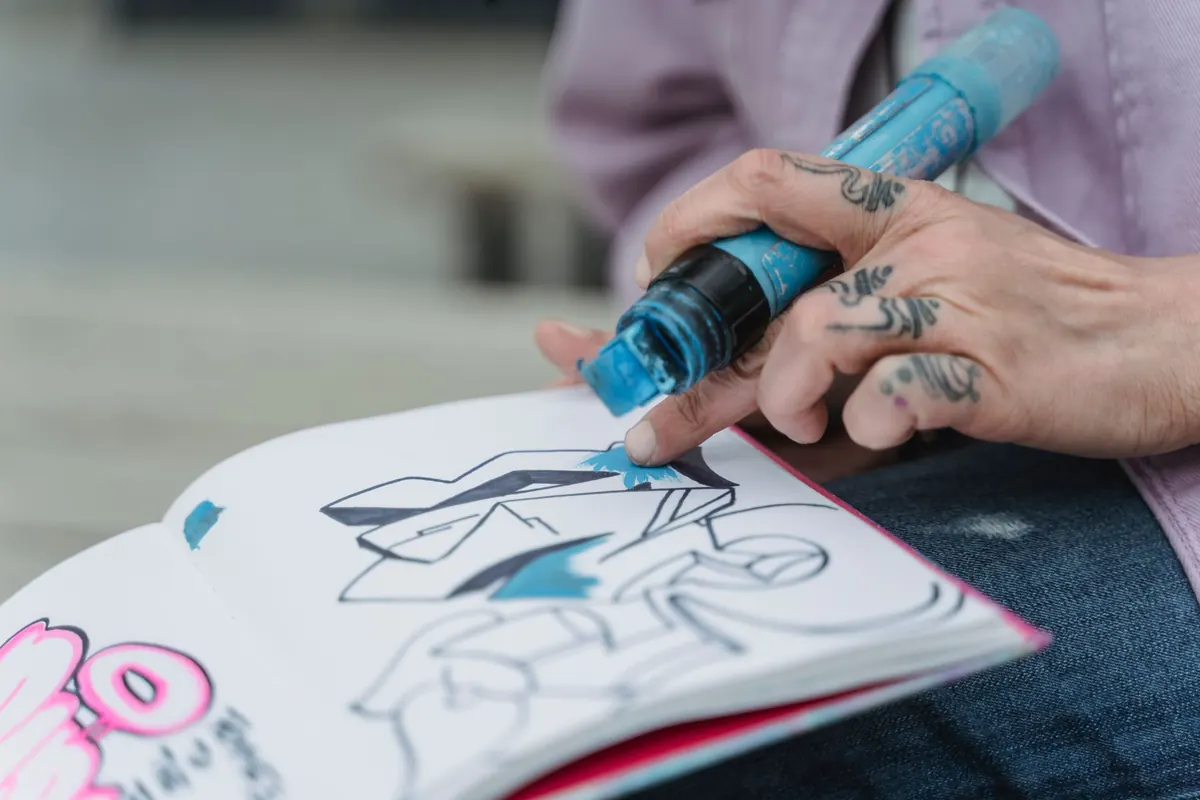
Photo: Vitaly Gariev / Pexels